
Karate vs. Taekwondo for Kids: What's the Difference?
If you're looking at martial arts classes for your child, the two names you'll hear most are karate and taekwondo. They look similar from the outside: white uniforms, colored belts, bowing, kicking and punching. But they come from different countries, train in different ways, and suit different kids. Here's a plain-English guide from a karate sensei to help you choose.
Where they come from
Karate developed in Okinawa, an island chain that is now part of Japan, and spread to mainland Japan in the early 1900s. The name means "empty hand," a reminder that it was built as a way to defend yourself without weapons.
Taekwondo is Korean. It was formalized in the 1950s, drawing on older Korean kicking arts and on karate. The name roughly means "the way of the foot and fist," and the foot comes first for a reason.
The biggest difference: hands vs. feet
This is the one thing most parents notice in a trial class.
- Karate uses a balanced mix of punches, strikes, blocks and kicks. Most kicks ...
Karate for Kids with ADHD: How Martial Arts Can Help Focus
If your child has ADHD, you've probably heard that martial arts might help. Karate isn't a treatment for ADHD, and it won't replace the support of your child's doctor or care team. But many families find it's one of the activities where their child feels most successful. Here's why.
Why karate can be a good fit for kids with ADHD
- Structure and routine. Every class follows the same pattern: bow in, warm up, practice, bow out. Predictable routines can help kids know what to expect.
- Short, active bursts. Karate mixes quick movements with brief moments of stillness. Kids aren't asked to sit and listen for long stretches.
- A built-in focus reset. The "ready stance" is a simple signal to stop, stand still, and pay attention. Many kids learn to use it outside of class too.
- Clear, frequent goals. Stripes and belts give fast, visible rewards for effort.
- A healthy outlet for energy. Kicks, punches, and shouts are encouraged, in a controlled way.
- Individual progress. Kids compete only wit ...
10 Easy Karate Drills Kids Can Do at Home
You don't need a dojo, a mat, or any equipment to start building karate skills. These 10 simple drills fit in a living room and take about 10 to 15 minutes. They're great for beginners and a fun way to burn energy on a rainy day.
Safety first: clear a space about the size of a yoga mat, move anything breakable, and practice barefoot or in grippy socks. Always supervise young children.
1. Ready stance hold
Feet shoulder-width apart, fists in front of the belt, eyes forward. Hold perfectly still for 20 seconds. It sounds easy, but it builds focus and self-control.
2. Horse stance
Feet wide, toes forward, knees bent like sitting on a horse. Start with 15 seconds and add 5 seconds each week. Great for leg strength.
3. Counting punches in Japanese
From horse stance, punch straight forward, alternating hands, while counting to 10 in Japanese: ichi, ni, san, shi, go, roku, shichi, hachi, ku, ju. Kids love learning the words.
4. High and low blocks
Practice a rising block (arm sweeps ...
How Online Karate Belt Testing Works: A Guide for Parents
Belts are a big part of what makes karate so motivating for kids. Each new color is a goal, a celebration, and proof that practice pays off. But how does belt testing work when your child is learning online? Here's exactly what to expect.
Why belt testing matters
- It gives kids a clear goal. "Learn these moves and you'll earn your yellow belt" is far more motivating than "keep practicing."
- It builds confidence. Preparing for a test and passing it teaches kids they can do hard things.
- It keeps standards real. A belt should mean your child actually knows the material.
How online belt testing works, step by step
- Learn the requirements. Each belt has a set list of techniques: stances, blocks, punches, kicks, and often a kata (a set pattern of moves).
- Practice until it feels natural. Your child replays the lessons as often as needed. There's no rush.
- Record the test at home. When your child is ready, you film them performing the required techniques. A phone propped up against a ...
The Best Martial Art for a Shy Child (and Why Karate Helps)
If your child hides behind your leg at birthday parties or freezes when it's their turn to speak, you're not alone. Many parents look for an activity that gently builds confidence without throwing a shy child into the deep end. Martial arts can be a great fit, and in our experience, karate is one of the best.
Why martial arts works for shy kids
- It's individual, not team-based. There's no letting teammates down and no pressure to perform in a game. Each child works on their own skills.
- Progress is visible. Each new belt or stripe is proof of growth, which helps shy kids see themselves as capable.
- The rules are clear. Shy kids often feel anxious when they don't know what's expected. Martial arts classes follow the same routine every time.
- They practice using their voice. In karate, students shout a strong "kiai" with their techniques. For quiet kids, it's a safe, fun way to practice being loud.
Karate vs. other martial arts for shy children
Karate balances punches, kicks, bloc...
What Age Should Kids Start Karate? A Sensei's Guide by Age
"Is my child old enough for karate?" It's one of the most common questions we hear from parents. The short answer: most kids are ready somewhere between 3 and 6, but there's no single magic age. What matters most is whether your child can follow simple directions and enjoys moving.
Here's what karate looks like at each stage, based on our years of teaching kids of all ages.
Ages 3 to 4: playful foundations
Yes, kids this young can start. One parent at our dojo shared that their daughter "started her karate journey at Senshi Karate when she was just 3." At this age, lessons should be short (10 minutes or less) and full of games. The focus is on balance, listening, counting, and simple kicks and punches.
Signs they're ready: they can copy a movement you show them and follow a two-step instruction.
Ages 5 to 6: the sweet spot for starting
Many instructors consider 5 to 6 an ideal age to begin. Kids can focus a little longer, remember short sequences, and they love earning their firs...
Is Online Karate Effective for Kids? What Parents Should Know
When you can't get your child to a dojo, online lessons sound like a great idea. But do they actually work? After more than 30 years of teaching karate, and several years teaching kids online, here is our honest answer: yes, online karate can work very well for kids, as long as a few things are in place.
What online karate does well
- Repetition. Kids can replay a lesson as many times as they need. In a group class, the instructor moves on. At home, your child can watch a technique ten times until it clicks.
- A comfortable place to learn. Shy kids, kids who get overwhelmed in busy rooms, and kids with autism or ADHD often learn better in a familiar space.
- Flexible scheduling. No driving across town. Ten minutes before dinner counts.
- Lower cost. Local dojo tuition often runs $120 to $180 a month. Online programs cost a fraction of that.
- Family time. Many parents end up training alongside their child.
What online karate can't fully replace
We'll be honest: online lessons can't f...
Is There Kata in Kyokushin?
Kyokushin Karate, known for its rigorous full-contact fighting style and emphasis on practical self-defense techniques, is often associated with intense sparring and powerful striking techniques. However, one may wonder: Is there kata in Kyokushin? In this article, we'll delve into the role of kata, or forms, in Kyokushin Karate and their significance within the discipline.
Understanding Kata in Martial Arts
Kata, which translates to "form" or "pattern," is a fundamental component of traditional martial arts, including karate. These predetermined sequences of movements serve multiple purposes, including:
-
Technical Practice: Kata allows practitioners to refine their techniques, movements, and transitions in a structured and controlled manner.
-
Mental Focus: Performing kata requires concentration, visualization, and mindfulness, fostering mental discipline and focus.
-
Cultural Preservation: Kata often embodies the history, philosophy, and principles of a particular martial
...
The Importance of Finding a Qualified Karate Instructor for Your Child's Safety and Success

Karate is a popular martial art that teaches self-defense, physical fitness, and discipline. Many parents enroll their children in karate classes to help them develop confidence and build life skills. However, finding a qualified karate instructor is essential to ensure your child's safety and success. Here's why:
- Proper Techniques and Safety Measures
A qualified karate instructor has the knowledge and expertise to teach proper techniques and safety measures. They know how to break down complex movements into smaller steps and ensure that each student is using proper form to prevent injuries. They also teach students how to safely and effectively execute strikes, kicks, and blocks.
- Personalized Instruction
A qualified karate instructor understands that every child is different and learns at their own pace. They take the time to get to know each student and provide personalized instruction that meets their individual needs. This approach helps students progress at a comfo...
Karate for Kids: How to Build Confidence, Discipline, and Self-Defense Skills
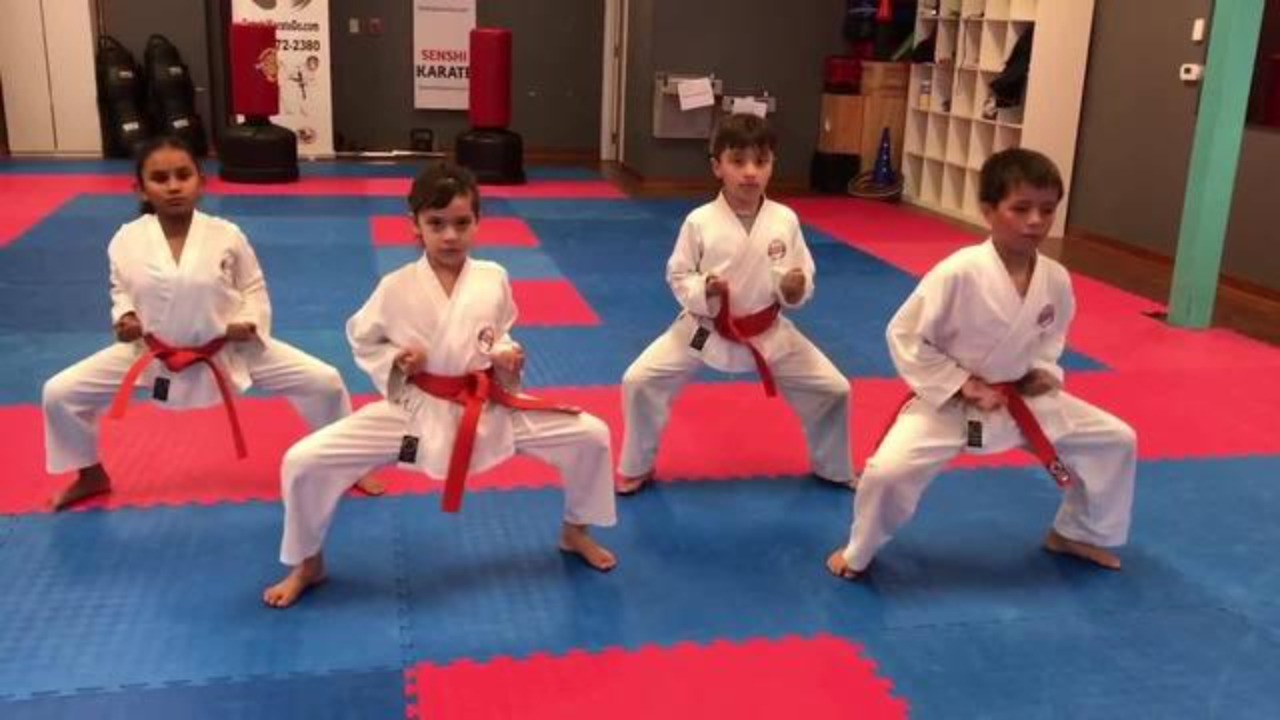
As a parent, you want your child to have the best possible start in life. You want them to be healthy, happy, and confident, with the skills they need to succeed in the world. One of the best ways to help your child achieve these goals is by enrolling them in karate classes.
Karate is an ancient martial art that teaches children important life skills like self-discipline, self-confidence, and self-defense. In our online karate program, we take this philosophy to the next level, providing children with a fun and engaging way to learn karate from the comfort of their own homes.
Here are some of the benefits your child can expect from our online karate program:
Builds Confidence
Karate is a great way to build confidence in children. Through our online program, your child will learn to set goals, work hard to achieve them, and celebrate their successes along the way. They'll also learn to overcome challenges and obstacles, which can be incredibly empowering and boost their self-esteem....
